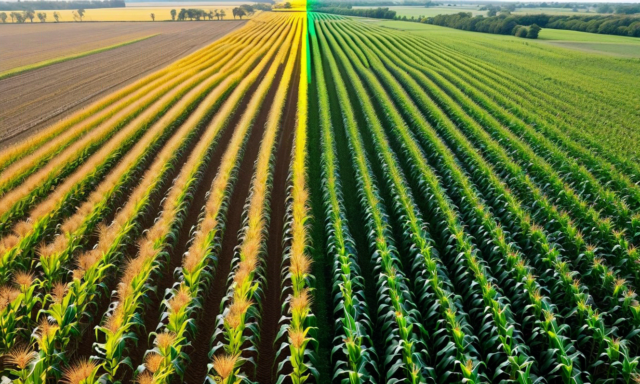
Why NDVI Alone Misleads Yield Forecasts in Irrigated Corn
NDVI saturates above leaf area index 3.5. This article shows what the red-edge band adds and when the difference reaches 6 bu/ac in forecast error.
Read more →
Root-Zone Water Balance: The Calculation Most Irrigation Schedulers Skip
Evapotranspiration minus precipitation does not equal depletion. Field capacity, bulk density, and root depth all factor in. Here is the full accounting.
Read more →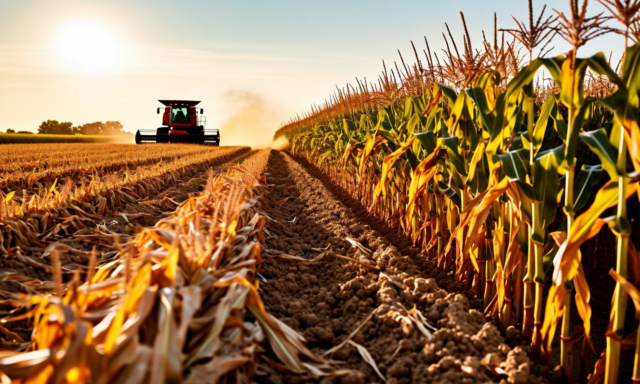
What Six Seasons of Ground-Truth Data Taught Us About Yield Model Drift
Models trained on 2019 data systematically underestimate in drought years. The fix is distributional conditioning on Palmer Drought Severity Index, not periodic retraining.
Read more →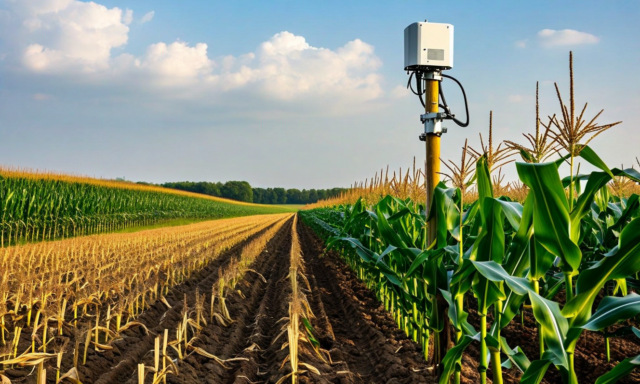
LoRaWAN vs Cellular for Soil Sensor Networks: An Honest Field Comparison
We ran both protocols across 14 test sites in 2024. LoRaWAN packet loss in dense canopy at 40 cm depth was 11.3%. Cellular hit 2.1%. Here are the trade-offs by operation size.
Read more →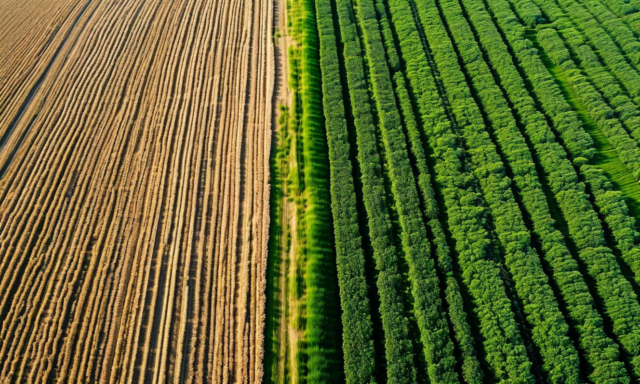
PlanetScope vs Sentinel-2: Which Revisit Rate Actually Matters for Crop Stress Detection?
Daily 3m imagery sounds better than 5-day 10m coverage. For most stress events the detection lead time difference is 2 days. For heat stress spikes it reaches 6. Here is when to pay for Planet.
Read more →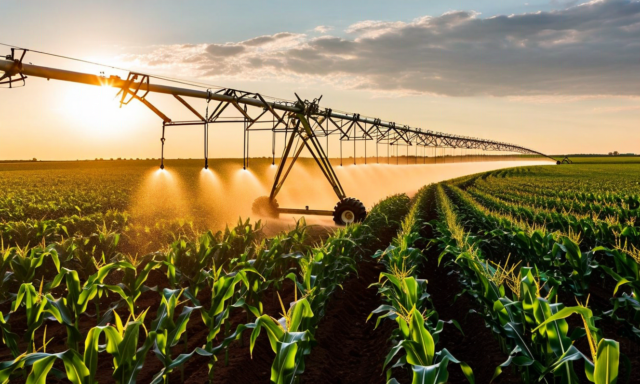
Management Allowed Depletion Is Not 50 Percent. Stop Setting It That Way.
The 50% MAD default is a textbook starting point for corn during vegetative stages. At silking and grain fill, running that threshold costs yield. The numbers from our 2024 trial plots.
Read more →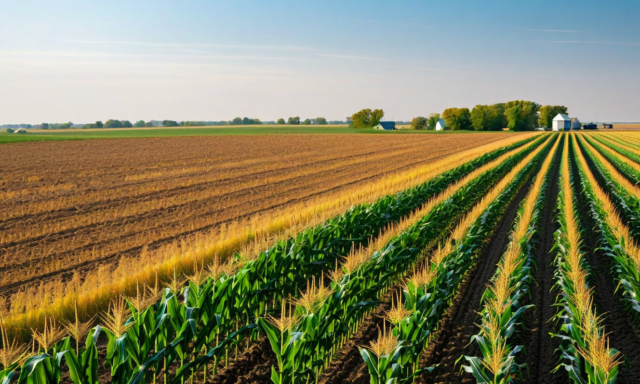
The Problem with Using County-Level Growing Degree Day Data for Field-Scale Phenology
A county average GDD may differ from your field edge by 40-80 units at tasseling. For hybrids with tight CRM windows, that is the difference between correct and wrong growth stage classification.
Read more →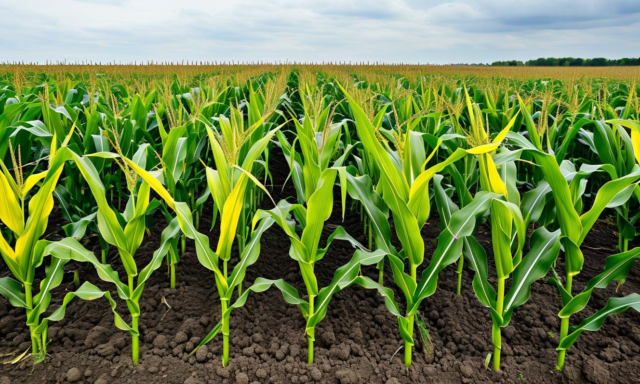
Anatomy of a Missed Nitrogen Deficiency: Why Spectral Data Needs Ground Validation
We had an NDVI anomaly flag that looked like waterlogging. It was iron deficiency chlorosis. Satellite cannot distinguish them at 10m. Ground-truth matters.
Read more →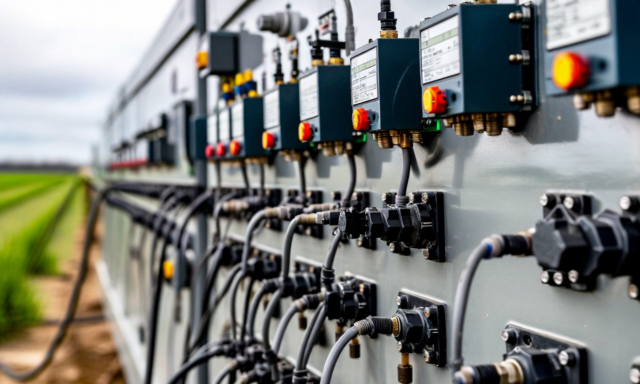
Connecting Irrigation Schedules to Valve Controllers: The Three Integration Patterns We Support
JSON webhook to a Raspberry Pi, CSV upload to a pivot controller, and direct Modbus TCP writes. Each has a different latency profile and failure mode.
Read more →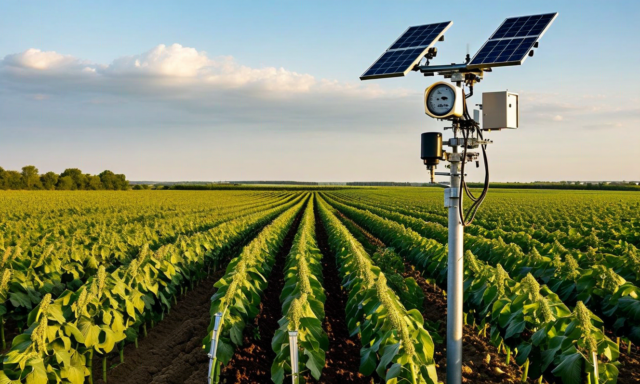
Penman-Monteith ET Calculation for Field-Level Irrigation: What the Formula Actually Requires
The equation needs more than temperature. Missing wind speed or humidity data produces ET errors that compound into wrong irrigation schedules over a full season.
Read more →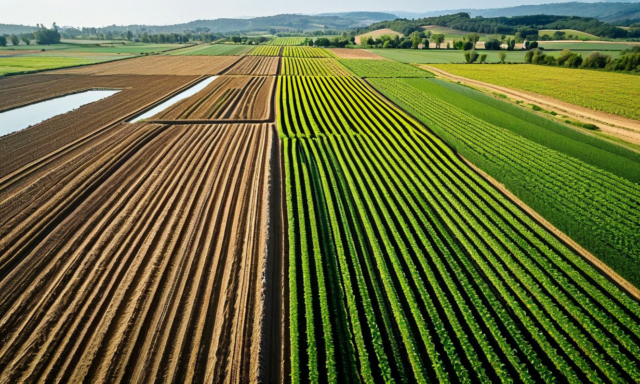
Variable-Rate Irrigation Using Yield Map Management Zones
Yield maps from three seasons can define irrigation management zones that cut water use by 18% while maintaining yield. Here is the zone creation methodology and 2024 results.
Read more →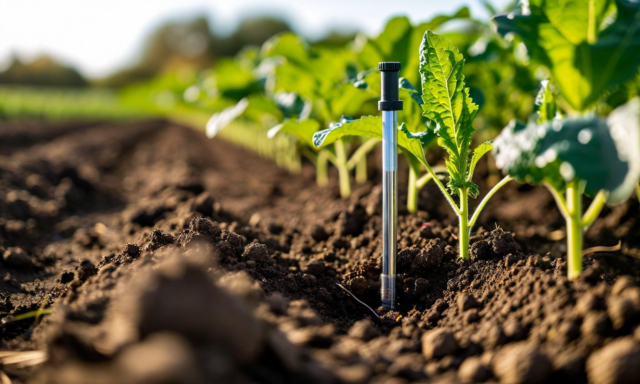
SDI-12 Soil Sensor Protocol: A Practical Field Deployment Guide
Address conflicts cause silent data failures that look like hardware faults. Here is the wiring, addressing, and troubleshooting guide built from field deployments across 200+ sites.
Read more →